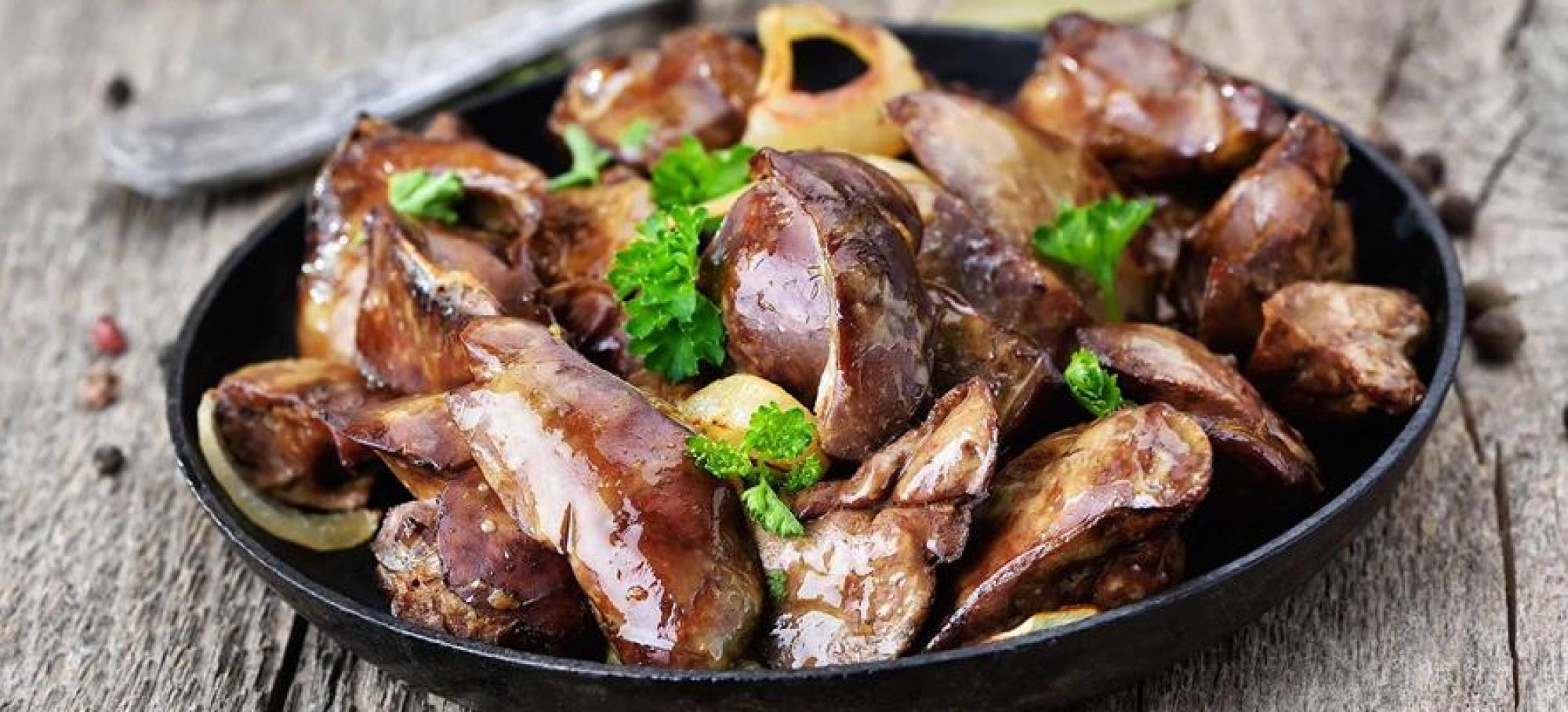
Liver – will the real superfood please stand up.
Our bodies are made up of organs, which are made up of tissues, which are made up of cells, and those cells are made from the food we eat and the nutrients we absorb. That is why we must eat a nutrient-dense, properly prepared, whole foods diet. Our food literally provides the fuel and building blocks to maintain health and sustain life.
It’s important that we get our nutrition from a variety of sources, but if I had to put one food on a pedestal, and that is exactly what I’m going to do, it would have to be liver. Gram for gram, it would have to be one of the most nutrient-dense foods on the planet. It’s the ultimate ‘’superfood’’ and the best multivitamin nature has to offer.
Why does liver get me so excited?
- An excellent source of high-quality protein
- Contains all the fat-soluble vitamins A, D, E, and K
- Top source of Choline
- All the B vitamins in abundance, especially vitamin B12
- A fantastic source of folic acid
- Provides a highly absorbable form if iron
- Packed full of trace minerals such as copper, zinc and chromium and selenium
- Do you have all day?
PROTEIN
Protein plays a role in just about every biological process in our body. We require it to make our tissues, organs, nerves, muscles, bones, skin, peptide hormones, antibodies plus much more! Liver is a great source of easily digestible protein, containing on average 25g per 100g serving.
VITAMIN A
Liver is a concentrated source of pre-formed vitamin A, which reduces inflammation, protects our eyes, support a healthy immune system, builds strong bones, assist our thyroid, promotes growth, repair and reproduction to name but a few of its far-reaching health benefits.
But wait, can’t we get enough vitamin A from carrots and vegetables? Fruits and vegetables contain Provitamin A carotenoids which your body then converts into vitamin A, but the conversion part isn’t always a straightforward process. Diabetes, poor thyroid function, gut issues, low nutritional status, heavy metal toxicity, parasites, low fat diets, genetic characteristics are just some of the barriers that can hinder the conversion. Periods of stress, physical growth, pregnancy, infection, lactation, and strenuous physical exercise deplete our vitamin A stores. Liver is the best source of vitamin A, because that’s where animals (and humans) store it. As you can see, there are so many reasons to ensure you’re consuming a highly absorbable vitamin A like that found in a small amount of liver.
CHOLINE, B12 & FOLATE
Choline is an essential nutrient that plays an important role in several processes including brain, memory and mood development, liver function, gene expression, a healthy nervous system, fat transportation, metabolism, cell structure, and cell messaging.
People who have an increased need of choline, include athletes, those who drink a lot of alcohol, postmenopausal women and pregnant women. Your liver can make a little bit of choline, but we must get the rest from our diet. I’ll give you one guess what the highest source is…. beef liver followed closely by chicken liver! 😊
Along with choline, liver is also abundant in B12 and folate, which can be especially helpful for those following a paleo diet. Because paleo diets can sometimes include ample muscle meat and eggs, they can be quite high in the amino acid methionine which can elevate homocysteine, a risk factor for cardiovascular disease, dementia, and Alzheimer’s disease. Choline, B12, folate (and betaine) all help to recycle homocysteine.
B12 benefits your entire body from your head to your toes, but it is also one of the leading deficiencies in the world. Deficiency can cause symptoms like brain fog, mood changes, muscle weakness, infertility, peripheral neuropathy, and fatigue to name but a few. We need it for proper cell functioning, red blood cell formation, supporting our metabolism, as well as brain and nervous system health. Liver is LOADED with highly absorbable B12!
IRON
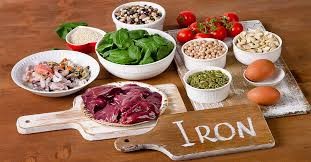
Another common deficiency is iron deficiency, with menstruating women, pregnant and lactating women, babies and toddlers, teenage girls, female athletes and vegetarians being more susceptible. Iron is a component of hemoglobin, the substance in red blood cells that carries oxygen from your lungs to transport it throughout your body. If you don’t have enough iron, your body can’t make enough healthy oxygen-carrying red blood cells. Just a few of the symptoms iron deficiency can cause are fatigue, lowered immunity, mental issues, heart palpitations, gastrointestinal troubles, and pregnancy complications. You won’t feel on top of your game if you’re even slightly deficient. Luckily, liver has your back with its abundant and highly absorbable form of iron.
Here’s a short breakdown of some commonly eaten muscle meats compared to liver:
| Nutrients | Chicken Breast | Beef Steak | Chicken Liver | Beef Liver |
| Protein | 30.09 g | 29.9 g | 24.5 g | 29 g |
| B1 (Thiamine) | 0.1 mg | 0.1 mg | 0.3 mg | 0.2 mg |
| B2 (Riboflavin) | 0.1 mg | 0.3 mg | 2 mg | 3.4 mg |
| B3 (Niacin) | 12.4 mg | 7.9 mg | 11 mg | 17.5 mg |
| B5 (Pantothenic Acid) | 1 mg | 0.4 mg | 6.7 mg | 7.1 mg |
| B6 (Pyridoxine) | 0.6 mg | 0.8 mg | 0.8 mg | 1 mg |
| B12 (Cobalamin) | 0.3 mcg | 2 mcg | 16.9 mcg | 70.6 mcg |
| Folate | 4 mcg | 5 mcg | 578 mcg | 253 mcg |
| Vitamin A | 29 IU | 14 IU | 13328 IU | 31714 IU |
| Vitamin C | 0 mg | 0 | 27.9 mg | 1.9 mg |
| Vitamin D | 5 IU | 1 IU | 0 | 49 IU |
| Vitamin E | 0.3 mg | 0.3 mg | 0.8 mg | 0.5 mg |
| Vitamin K | 0.3 mcg | 1.9 mcg | 0 mcg | 3.3 mcg |
| Calcium | 15 mg | 16 mg | 11 mg | 6 mg |
| Copper | 0.1 mg | 0.1 mg | 0.5 mg | 14.3 mg |
| Iron | 1.1 mg | 2.9 mg | 11.6 mg | 6.5 mg |
| Magnesium | 27 mg | 15 mg | 25 mg | 21 mg |
| Manganese | 0 | 0 | 0.4 mg | 0.4 mg |
| Phosphorus | 216 mg | 270 mg | 405 mg | 497 mg |
| Potassium | 247 mg | 384 mg | 263 mg | 352 mg |
| Selenium | 24.4 mcg | 27.2 mcg | 82.4 mcg | 36.1 mcg |
| Sodium | 77 mg | 67 mg | 76 mg | 79 mg |
| Zinc | 1.2 mg | 4.5 mg | 4 mg | 5.3 mg |
Data compiled from https://cronometer.com/
Liver is off-the-charts in many important nutrients compared to muscle meat. Muscle meat has its place, but as you can see, it would be prudent to include nutrient dense liver into your diet.
In the coming posts, we’ll talk about the importance of sourcing good quality liver and some cooking (as well as disguising) tips.
Liver it up!
 Ancestral Health & Nutrition Blog